
Al Jazeera: Iran Could Shake the World with Triple-Digit Oil Prices
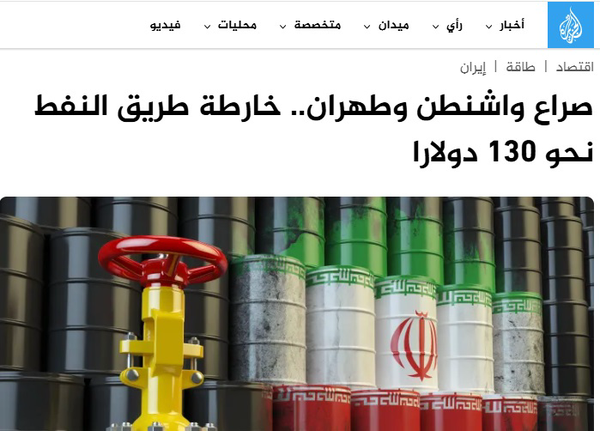
RoydadNaft – Al Jazeera reported that while the world is counting on energy stability, Iran has the power to disrupt oil flows in the Persian Gulf.
According to the oil event news outlet, Al Jazeera’s analytical report—referencing the latest round of Iran-U.S. talks in Oman—emphasizes that alongside the continuation of diplomacy, the real weight of the equation lies in the energy field and the regional balance of power. Any escalation there could confront the global oil market with sharp surges.
According to Al Jazeera, in these negotiations, Tehran is assessing Washington’s seriousness while stressing its red lines, including its missile capabilities. Ali Shamkhani, advisor to the Supreme Leader, has stated that Iran’s missile capacities are not negotiable.
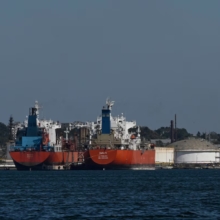
In response, U.S. officials have mentioned options such as seizing tankers carrying Iranian oil—an option that, as acknowledged by American media, could stir turmoil in global oil markets.
Al Jazeera goes on to note that U.S. demands focus on halting uranium enrichment, the missile program, and Iran’s regional influence, while reminding that Tehran has always insisted it has no intention of building nuclear weapons. However, what concerns markets more than the talks themselves is the possibility of military confrontation in a region considered the beating heart of global energy.
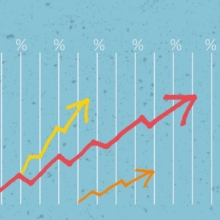
Based on the report, in limited scenarios—such as symbolic attacks or short-term clashes—some analysts predict oil price increases of just a few dollars or a temporary jump to around $80 per barrel, an rise that may not hold due to global oversupply. Even in the case of a complete halt to Iranian oil exports, estimates suggest averages of $70 to $90 per barrel. Al Jazeera frames these as part of a “war-driven price shock” that adds to prices depending on the level of tension.
But the core of Al Jazeera’s report focuses on a more strategic scenario: the Strait of Hormuz. This vital passage, through which about 20 million barrels of oil pass daily—equivalent to nearly 20% of global petroleum liquids consumption—could, according to analysts, completely flip the energy market. Al Jazeera stresses that any serious disruption in this route would deliver an immediate and widespread shock to the market.
Oil expert Nabil Al-Marsoumi, speaking to Al Jazeera, clarified that even without closing the Strait of Hormuz, if Iran targets regional oil facilities in the event of conflict and significantly reduces Persian Gulf oil supply, prices could climb above $100 per barrel. This assessment shows that Iran’s geopolitical weight in the energy market far exceeds its mere production share.
Al-Marsoumi further told Al Jazeera that if the scenario of closing the Strait of Hormuz materializes, one-quarter of the world’s oil supply and about one-fifth of global natural gas supply would halt—an event that, in his view, could drive oil prices up to $130 per barrel. Such a surge would not only jolt the oil market but confront the entire global economy with severe shocks.
Al Jazeera recalls the Ukraine war experience, explaining how a “crisis spillover effect” can add tens of dollars to the price of a barrel in a short time. Accordingly, if there is a real threat to energy flows from the Persian Gulf, this premium could escalate quickly.
In contrast, a nuclear agreement scenario with increased Iranian oil exports could lower prices, but as analysts told Al Jazeera, the market’s path depends above all on the level of tension and the fate of the Strait of Hormuz.
Overall, Al Jazeera’s report indicates that in the high-tension equation between Tehran and Washington, the decisive factor is not just the negotiating table but Iran’s deterrent power and its geopolitical position in the world’s energy artery—an element that, in the most severe scenario, could push oil to the $130 threshold and reshape global economic equations.