
Global Crude Oil Prices Today (February 9, 2026) / Brent Oil Falls to $67.38

RoydadNaft – Oil prices declined roughly 1% on Monday as immediate fears of conflict in the Middle East eased significantly following the U.S. and Iran’s commitment late last week to continue negotiations on Tehran’s nuclear program. This reduced investors’ concerns about potential disruptions to oil supply.
According to Roydad Naft, Brent crude futures were down 67 cents, or 1%, at $67.38 per barrel as of 04:44 GMT. U.S. light crude (WTI) also dropped 61 cents, or 1%, to $62.94 per barrel.
Tony Sycamore, market analyst at IG, said: “With negotiations set to continue in the near future, immediate concerns about supply disruptions in the Middle East have eased considerably.”
Iran and the United States committed to ongoing talks after indirect negotiations in Oman on Friday, which both sides described as “positive,” even though differences remain. This progress has lowered fears that a breakdown in talks could push the Middle East toward war—especially given the recent deployment of additional U.S. military forces in the region.
That said, investors continue to worry about the potential for supply disruptions from Iran and other regional producers, as roughly one-fifth of global oil consumption passes through the Strait of Hormuz (between Oman and Iran).
Both oil benchmarks fell more than 2% last week, marking their first weekly decline after seven consecutive weeks of gains, largely attributed to de-escalating tensions.
Iran’s Foreign Minister emphasized on Saturday that if U.S. forces attack Iran, Tehran would retaliate by striking American bases in the Middle East. These statements indicate that the threat of conflict persists.
Priyanka Sachdeva, senior market analyst at Phillip Nova, noted: “Market volatility remains high, with conflicting statements continuing. Any negative news could quickly reignite the risk premium in oil prices.”
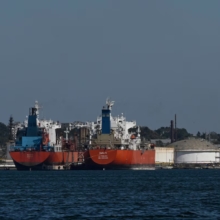
Investors are also facing international efforts to curb Russia’s oil revenues due to the war in Ukraine. On Friday, the European Commission proposed a broad ban on any services supporting Russia’s seaborne crude oil exports.
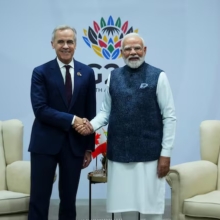
Indian refiners, once the largest buyers of Russian seaborne crude, have refrained from purchasing cargoes for April delivery, and this trend is expected to continue for some time. This shift could help India finalize a trade agreement with the United States.
Sachdeva added: “Oil markets will remain sensitive to the extent of this pivot away from Russian oil—whether India’s reduced purchases extend beyond April and how quickly new supply streams can replace the lost flows.”