
New Gas model launched; contractors offer way to curb gas flaring
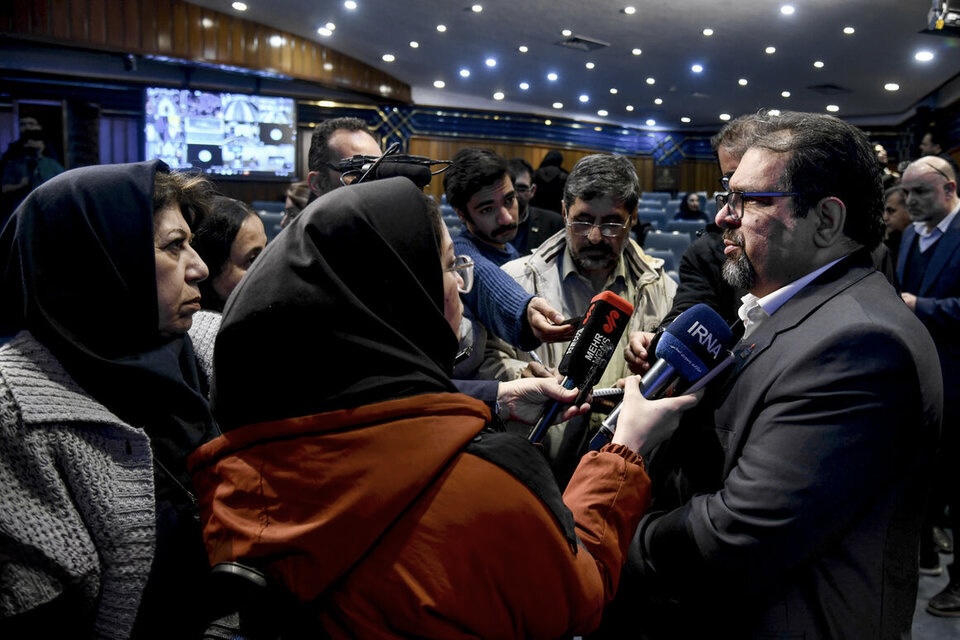
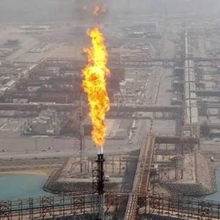
RoydadNaft – The CEO of the National Iranian Gas Company (NIGC) announced the certification of 35 gas contractor companies, saying the new contractor model turns the threat of “gas flaring” into a business and savings opportunity.
Saeid Tavakoli made the remarks Sunday, Jan. 25, on the sidelines of a ceremony unveiling and signing contracts with gas contractors. He noted that during the recent unprecedented cold, gas consumption in the residential and commercial sectors reached a record 737 million cubic meters on Jan. 24, a figure previously projected for 2026. This represented 85% of the total gas injected into the network—an unprecedented level in Iran’s gas industry history.
Comparing this year’s consumption with last year, Tavakoli said: “Last year, peak consumption reached 703 million cubic meters. Fortunately, with the network fully prepared, despite this new record, no household experienced an interruption in gas supply. Given the enormous costs of increasing production in upstream and downstream sectors, the only sustainable way to maintain the network is through optimized consumption management and improved energy efficiency.”
Certification of 35 Contractors
Tavakoli described the signing of contracts with 12 contractor companies as a significant step. “This move follows Cabinet approvals and high-level directives, including the Seventh Development Plan. Currently, 35 companies have been certified in this sector, and the contractor market has room to expand further. Contractors represent a new operational model that turns the threat of gas flaring into a business and savings opportunity.”
Explaining the contractors’ mechanism, he said the companies act as intermediaries between NIGC and consumers, monitoring gas savings against a baseline. Verified savings are then issued as “Energy Saving Certificates” that can be traded on the stock exchange.
Addressing energy imbalances during peak demand, Tavakoli added that during extreme cold, the system faces a 300 million cubic meter shortfall. In such cases, priority is given to residential sectors, while other sectors are required to use alternative fuels. Per Ministry of Petroleum regulations, liquid fuel is used to maintain the stability of the residential gas network.
Positive Record in Gas Industry
The deputy oil minister for gas highlighted NIGC’s positive record in supplying gas to power plants and industries in 2025. He said that, compared with the same period last year, an additional 1.5 billion cubic meters of gas was delivered to steel and petrochemical sectors and 3.2 billion cubic meters to power plants. In December, a daily delivery record of 170 million cubic meters to power plants was set, exceeding last year’s supply.
Tavakoli emphasized that there have been no gas outages anywhere in the country this winter. “Although some remote areas experienced pressure drops—which is normal—the overall gas flow has remained stable. The fuel mix for power plants is managed jointly by the Ministries of Oil and Energy to ensure electricity production continues without disruption.”