
Oil’s Problem Isn’t Iran or Russia — It’s Too Much Oil
RoydadNaft – Crude oil prices have retreated after a brief spike driven by speculation over potential U.S. military action against Iran. Brent and WTI benchmarks hit multi-month highs amid tensions, but they quickly gave way as the market refocused on fundamentals: the world simply has too much oil.
The core thesis of the article is that oversupply dominates the narrative, overriding short-term geopolitical risks from Iran, Russia, and other players. Major forecasters agree that global supply significantly exceeds demand, pushing prices lower.
Key Fundamentals Driving the Bearish Outlook
• Goldman Sachs recently revised its 2026 forecasts downward, citing rising global oil stocks and a projected 2.3 million barrels per day (mb/d) surplus in 2026. The bank expects even lower Brent prices to curb non-OPEC supply growth and support demand — unless major disruptions or OPEC cuts occur.
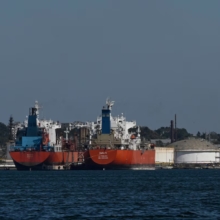
• Global inventories are elevated, with 1.3 billion barrels of crude on water in December 2025 — the highest since the 2020 pandemic lockdowns (per Kpler data).
• The U.S. Energy Information Administration (EIA) and International Energy Agency (IEA) both forecast continued supply growth, even as OPEC has paused unwinding its 2022 production cuts.
• U.S. shale production is expected to flatten in 2026 and decline into 2027, but the market has largely ignored this slowdown, fixated on the current glut.
• The U.S. has begun selling seized Venezuelan crude (first batch worth $500 million), adding more barrels to the market — though industry executives caution that a rapid revival of Venezuelan output is unlikely due to infrastructure challenges.
Geopolitical Factors: Risks Linger but Haven’t Overpowered the Glut
Geopolitical tensions provided temporary bullish support but failed to sustain it:
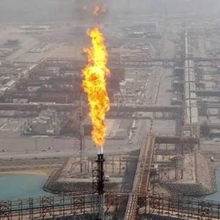
• Iran: Protests and signals from President Trump about possible strikes caused the initial price jump. However, reports that the Iranian government was easing its crackdown reduced the likelihood of U.S. military action, triggering the retreat. Potential disruptions to Iranian oil exports remain a concern, but they haven’t materialized strongly enough to counter oversupply fears.
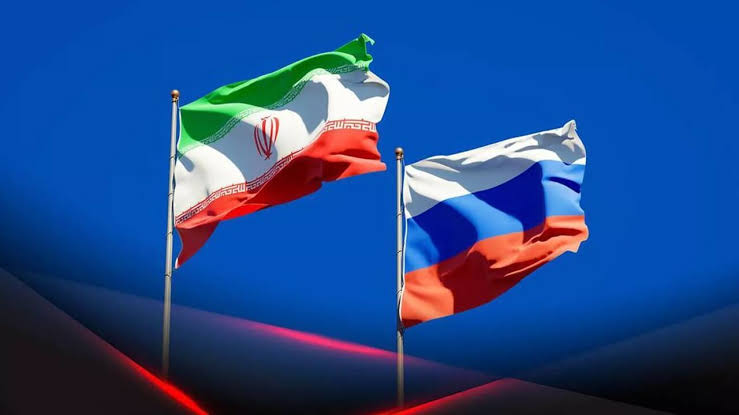
• Russia: The EU plans to lower its price cap on Russian oil to $44.10 per barrel starting next month to further squeeze revenues. Previous caps have had limited impact on Russia’s budget.
• Venezuela: The U.S. “effective takeover” of aspects of the industry (including sales of seized oil) adds bearish pressure, but quick production ramps are doubted.
• Other disruptions: Drone strikes on Black Sea tankers and a reported 35% drop in Kazakhstan’s output in early January (linked to attacks on the Caspian Pipeline Consortium) raised supply worries, but these haven’t shifted the broader glut narrative.
A notable caveat: A significant portion of the “floating” oil (about a quarter) comes from sanctioned producers like Russia, Iran, and Venezuela. This oil takes longer to sell due to sanctions but eventually finds buyers (e.g., via China, which hit record oil imports in December 2025 and for the full year). This suggests tanker data may overstate the true physical glut.
Overall Market Sentiment
The article concludes that predicting oil prices is especially unreliable right now, with conflicting geopolitical risks and fundamental oversupply clashing. So far, the “too much oil” story holds sway, keeping downward pressure on prices despite lurking threats.
As of mid-January 2026, Brent crude has fluctuated around $63–$64 per barrel after dropping sharply earlier in the week on eased Iran strike risks (with some reports showing levels near $60–$63). This aligns with the piece’s description of a retreat from geopolitics-driven highs.