
Oil Tankers Still Arriving in Venezuela Despite U.S. Blockade, Data Shows
RoydadNaft – At least two oil tankers have arrived in Venezuela in recent days, and others are sailing toward the country, signaling state-owned PDVSA’s efforts to increase floating storage and continue selling crude even as a U.S. blockade has slashed exports to a fraction of their previous levels.
U.S. President Donald Trump announced a blockade this month on all sanctioned vessels entering or leaving Venezuelan waters, as part of a broader strategy to pressure Venezuelan President Nicolás Maduro. The U.S. action has halved oil exports this month compared to November.
The U.S. has seized two fully loaded Venezuelan oil cargoes, and its ships are patrolling the Caribbean Sea. The intensified pressure has deterred many ship owners, leading to reroutings and U-turns. Only a small number of vessels have stayed on course toward the OPEC member nation.
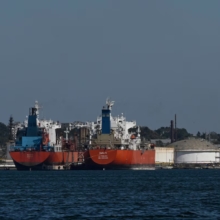
Some tanker owners, however, have pressed on. At least two sanctioned ships have docked in Venezuela in the past few days, and two unsanctioned ones are approaching the coast, according to monitoring service TankerTrackers.com.
As part of oil-for-goods swaps and deals dating back to the initial U.S. energy sanctions in 2019, Maduro’s government uses crude to pay for a wide range of imports and services, including debt obligations to China.
The two vessels en route to Venezuela are part of a fleet involved in Venezuela-China arrangements to settle debt with oil shipments headed to Chinese ports. It remains unclear if China will seek a U.S. exemption to ensure delivery of those cargoes.
PDVSA did not respond to a request for comment. Venezuela’s oil ministry and President Maduro have insisted that oil exports will continue.
This month, PDVSA has been negotiating discounts and contract adjustments with buyers to prevent cargo rejections or production shutdowns. However, many customers are becoming frustrated, as there are few viable options for extracting oil from the country—even on unsanctioned tankers—according to company sources.
A cyberattack this month forced PDVSA to shut down its central administrative system. The company is now loading cargoes at its ports more slowly, both to meet export schedules and to use ships for storing crude and fuel, thereby expanding storage capacity.
The only loaded vessels leaving are those operated by Chevron, which continue sailing to the U.S. under a Washington license, along with smaller ships carrying byproducts and petrochemicals, based on shipping data and PDVSA documents.
A similar scenario unfolded in 2020, when the U.S. escalated pressure on Maduro by sanctioning PDVSA’s key trading partners, forcing Venezuela to rely on obscure intermediaries to sell oil to Chinese buyers.
Those measures led to production cuts, oilfield closures, and severe fuel shortages. It took Venezuela years to rebuild output to 1 million barrels per day, restore some refining capacity, and stabilize exports.
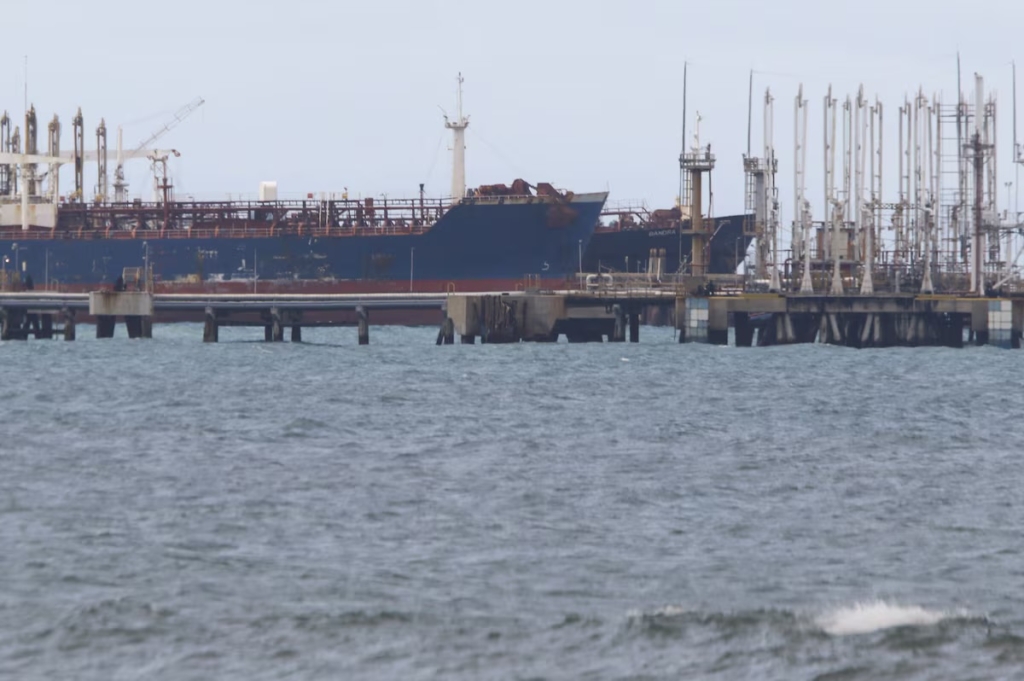
As of this week, nearly two dozen tankers were visible from shore near the Jose port, awaiting loading slots or departure clearance. The volume of oil trapped on undeparted tankers has risen to around 16 million barrels, up from 11 million in mid-December, according to the data and documents.