
CAG Flags Underuse of India’s Strategic Oil Reserves
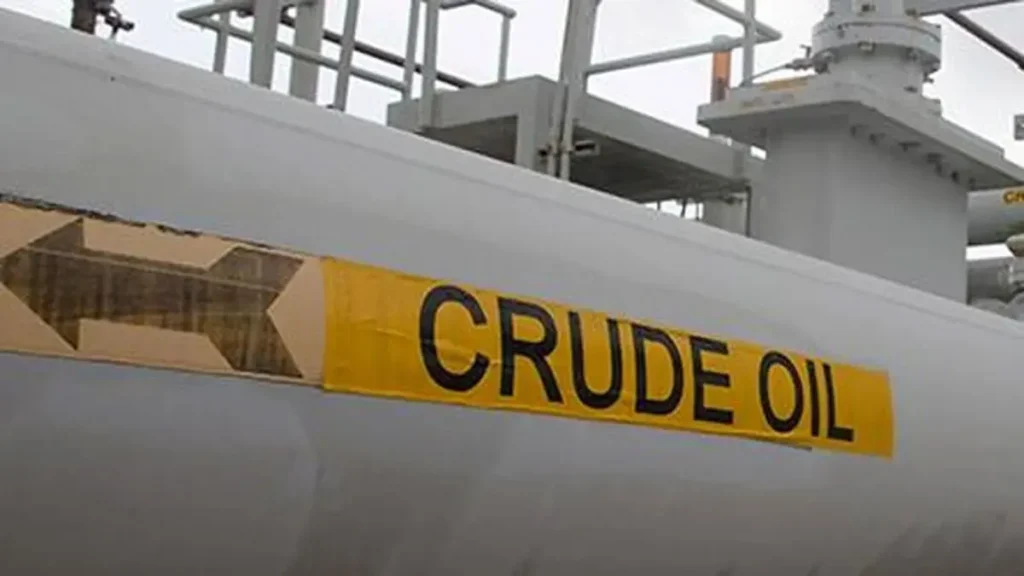
RoydadNaft – The Comptroller and Auditor General of India has flagged the “sub-optimal” utilisation of India’s strategic petroleum reserves by the Ministry of Petroleum and Natural Gas, both for emergency crude shortages and commercial use.
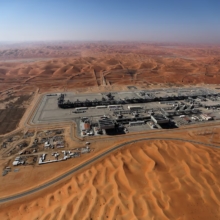
The ministry had set up Indian Strategic Petroleum Reserves Limited to implement and operate strategic crude oil storage projects. ISPRL manages a total storage capacity of 5.33 million tonnes, comprising Visakhapatnam (1.33 million tonnes), Mangalore (1.50 million tonnes) and Padur (2.50 million tonnes).
The original plan to create 5 million tonnes of reserves, revised to 5.33 million tonnes in 2011, was designed to provide about 14 days of cover on a consumption basis and 19 days on an import basis, with FY07 as the base year.
The audit covered the period from FY18 to FY22, updated up to March 2024, and examined the planning and execution of Phase I, including crude oil procurement, filling, release, replenishment, and operations since the first crude fill at Visakhapatnam in May 2015. The CAG noted that since FY19, when all caverns were commissioned, utilisation levels remained low—ranging from 8.74 per cent to 58.41 per cent—except in FY21.
As of March 31, 2024, ISPRL had cavern capacity of 3.98 million tonnes available, excluding compartments allotted to Hindustan Petroleum Corporation Limited or foreign oil companies. Of this, only 2.91 million tonnes were filled, leaving 1.07 million tonnes vacant and resulting in underutilisation of about 27 per cent.
The audit observed that the filled capacity of 2.91 million tonnes could provide import cover for only 4.56 days, far short of the envisaged 19 days. In its March 2024 response, ISPRL said caverns were kept partially empty in line with its mandate for partial commercialisation. However, the CAG noted that commercialisation was approved only in July 2021, whereas significant underutilisation existed in FY19 and FY20, when no such mandate was in place.
Under Phase I of commercialisation, 30 per cent of reserves were leased, 20 per cent of crude capacity was permitted for sale or purchase by ISPRL, and 50 per cent was retained as strategic stock. Up to March 2024, ISPRL sold 1.298 million tonnes of crude oil worth Rs 53.78 billion (excluding VAT of Rs 1.18 billion) to HPCL (0.537 million tonnes) and Mangalore Refinery and Petrochemicals Limited (0.761 million tonnes) to create leasing space.
After tax deducted at source and other deductions of Rs 55.3 million, ISPRL deposited Rs 53.72 billion with the Centre. It also signed an agreement with HPCL in February 2024 to lease 0.30 million tonnes of cavern space at Visakhapatnam, effective January 2024.
The Union Cabinet in July 2021 had allowed trading of crude oil, to begin within six months, by January 2022. However, the CAG noted that trading had still not commenced as of August 2024 due to the absence of defined modalities. As per Cabinet approval, ISPRL was expected to earn up to Rs 1.74 billion per year from trading 20 per cent of its capacity, which could have made it financially self-sufficient.
The audit concluded that ISPRL has neither achieved self-sustenance more than three years after approval nor filled the cavern space at Mangalore, which has remained vacant by 0.761 million tonnes since March 2022.