
Global Crude Oil Prices Today (December 16, 2025) / Brent Oil Price Rises to $60.10
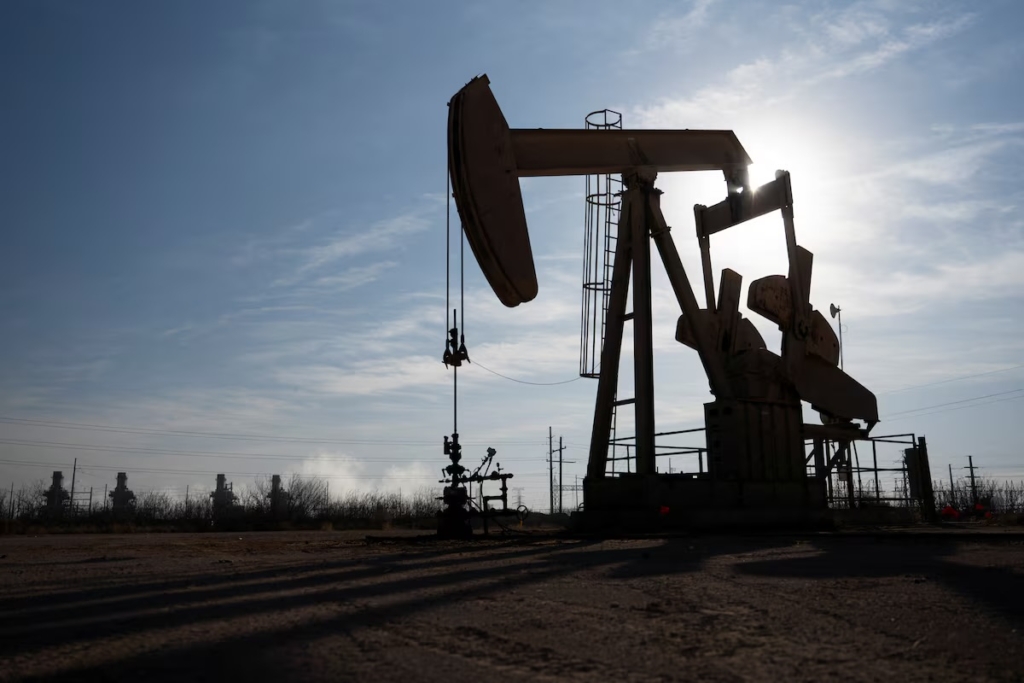
RoydadNaft – Oil prices rose on Thursday following reports of the U.S. preparing new sanctions against Russian oil—if Moscow does not accept a peace agreement for Ukraine. Traders also assessed supply risks stemming from the blockade of Venezuelan oil tankers.
According to Roydad Naft, U.S. West Texas Intermediate crude at 02:56 GMT rose by 44 cents or 0.79 percent to $56.38 per barrel; this benchmark had jumped more than one dollar at the market open but later gave back some of its gains. Brent crude also rose by 42 cents or 0.7 percent to $60.10 per barrel.
On Wednesday, Bloomberg reported, citing informed sources, that the U.S. is preparing a new round of sanctions against Russia’s energy sector if Moscow does not agree to a Ukraine peace deal. A White House official told Reuters that U.S. President Donald Trump has not yet made a decision on sanctions against Russia.
Analysts at ING Bank stated in a note that potential further actions against Russian oil could create a greater supply risk than Trump’s Tuesday announcement regarding the blockade of sanctioned Venezuelan oil tankers. They added: “Given the anticipated supply surplus and Brent trading around $60, Trump has more room to maneuver in tightening sanctions.”
According to Bloomberg, the U.S. is considering targeting Russia’s shadow fleet—used to transport sanctioned oil—as well as traders handling this oil, and new measures could be announced as early as this week.
Russian President Vladimir Putin on Wednesday threatened that if Europe does not cooperate with U.S. proposals to resolve the Ukraine conflict, Russia would seize more Ukrainian territories by force; this comes as multi-day negotiations have yet to yield results.
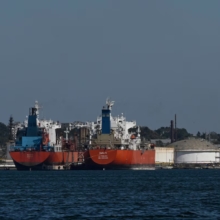
The Venezuela blockade puts approximately 600,000 barrels per day of the country’s oil exports—at risk, mainly destined for China—but ING predicted that 160,000 barrels per day of exports to the U.S. would likely continue, as ships from Chevron are operating under prior U.S. government licenses.
On Wednesday, most other Venezuelan exports were halted, although state-owned company PDVSA resumed loading crude oil and fuel cargoes after suspending operations due to a cyberattack.
It remains unclear how the U.S. blockade will be implemented. The U.S. Coast Guard last week unprecedentedly seized a Venezuelan oil tanker, and sources said the U.S. is preparing for further seizures.
Venezuelan crude oil accounts for about one percent of global supply. Most of it is exported to China, but market sources say weak demand and excess floating stored oil in Asia have limited the impact on the world’s largest importer.