
India Set to Drive 40% of Global Oil Demand Surge by 2035, Government Reveals in Parliament
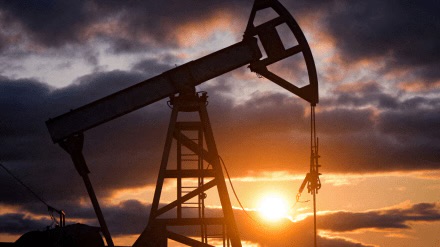
RoydadNaft – As the world’s fastest-growing major economy, India is on track to become the dominant force behind rising global oil consumption, with official projections indicating it will shoulder over two-fifths of the anticipated demand increase over the next decade.
The Ministry of Petroleum and Natural Gas disclosed these figures during a recent parliamentary session, drawing from data compiled by the International Energy Agency (IEA) and domestic forecasts. Officials highlighted that India’s oil demand is expected to climb to approximately 9 million barrels per day (mb/d) by 2035, up from current levels around 5.5 mb/d—a staggering 60% jump that will outpace all other nations combined.
This revelation comes at a critical time for India’s energy strategy, as the country grapples with balancing surging import needs against ambitious green transition goals. “India’s economic trajectory demands robust energy security, and oil will remain a cornerstone despite our push towards renewables,” a ministry spokesperson noted in the parliamentary response, emphasizing the need for diversified supply chains to mitigate geopolitical risks.
The IEA’s World Energy Outlook, referenced in the estimates, paints a broader picture: Global oil demand is forecasted to peak at around 105 mb/d by the early 2030s before stabilizing, but India’s voracious appetite—fueled by urbanization, industrial growth, and a burgeoning middle class—will single-handedly add over 3.5 mb/d to the tally. This positions New Delhi as the epicenter of demand-side pressures, potentially influencing OPEC+ production decisions and global pricing dynamics.
In response, the government outlined proactive measures, including ramping up domestic exploration under the Open Acreage Licensing Policy (OALP), enhancing refining capacity to 450 million metric tonnes per annum by 2030, and accelerating biofuel blending targets to 20% by 2025-26. These steps aim to curb import dependency, currently hovering at 85%, and foster self-reliance through initiatives like the Strategic Petroleum Reserves expansion.
Yet, challenges loom large. With Brent crude prices volatile above $80 per barrel amid Middle East tensions, India’s $150 billion annual oil import bill strains fiscal resources. Experts warn that without accelerated adoption of electric vehicles—targeting 30% market share by 2030—and efficiency measures, the nation risks exacerbating trade deficits and carbon emissions.
Parliamentarians across aisles hailed the disclosure as a “wake-up call” for integrated energy planning. As one MP remarked, “This isn’t just about oil; it’s about powering India’s tryst with destiny while safeguarding the planet.” With the upcoming Union Budget likely to allocate heftier sums to upstream investments, the coming months will test New Delhi’s resolve to turn projections into policy triumphs.