
Putin’s High-Stakes India Trip Spotlights Oil Flows, U.S. Squeeze, and Deepening Trade Bonds
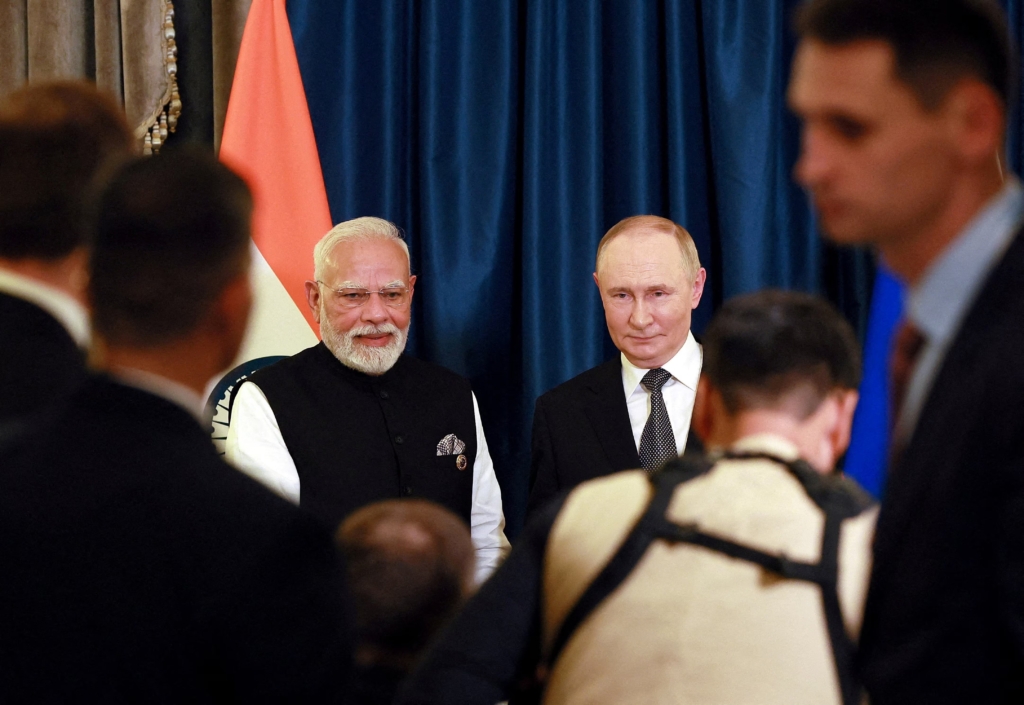
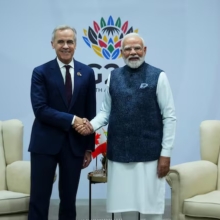
RoydadNaft – As the shadow of the Ukraine conflict looms large, Russian President Vladimir Putin is set to touch down in India on Thursday, embarking on a high-level summit that underscores the nation’s intricate dance between its time-tested partnership with Moscow and mounting pressures from Washington. The two-day visit, culminating in face-to-face talks with Prime Minister Narendra Modi on Friday, promises a flurry of pacts aimed at bolstering economic resilience, defense synergies, and energy lifelines for India’s 1.4 billion citizens.
This isn’t just another diplomatic pit stop—it’s a litmus test for New Delhi’s geopolitical tightrope walk. Putin and Modi, who last crossed paths in Moscow a year ago and briefly in China this September at a Shanghai Cooperation Organisation huddle, will dissect the arc of their bilateral relationship. Expect a cascade of government-to-government and business deals to be inked, from trade boosters to maritime handshakes.
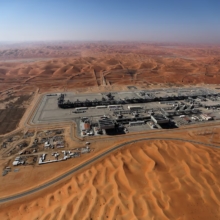
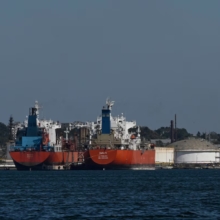
At the heart of the agenda beats the pulse of energy security. India, the world’s third-largest oil importer, has defied U.S. entreaties by snapping up deeply discounted Russian crude—a move it defends as a pragmatic shield against volatile global prices. “These imports are non-negotiable for our energy-hungry economy,” Indian officials have repeatedly stressed, even as the White House lambasts the purchases for bankrolling Russia’s war machine. The rebuff has drawn fire: President Donald Trump recently slapped a whopping 50% tariff hike on Indian goods, a retaliatory jab that has exporters from Mumbai to Madras on edge.
The pressure cooker is heating up further with fresh U.S. sanctions targeting Russian oil behemoths Rosneft and Lukoil, complicating New Delhi’s supply chains. Yet, Indian policymakers remain defiant, vowing to steer clear of penalized firms while keeping the taps open elsewhere. “We can’t flip the switch on Russian energy overnight,” warns Harsh Pant, a leading analyst at the Observer Research Foundation. “Future volumes will hinge on market winds and how these sanctions ripple through to us.”
Against this backdrop, the summit arrives as Washington touts a fresh Ukraine peace blueprint—initially decried by hawks as Moscow-friendly before tweaks in U.S.-Ukrainian parleys. Modi, ever the diplomat, has sidestepped outright Russia-bashing, opting instead for calls for “dialogue and de-escalation.” Pundits doubt India will don the mediator’s hat in public view, but whispers suggest Modi might gently prod Putin to heed Kyiv’s grievances and Europe’s alarms during closed-door chats.
Beyond the bear hug of hydrocarbons, the itinerary brims with pragmatic wins. Trade talks will zero in on dismantling non-tariff hurdles to turbocharge Indian shipments of life-saving pharmaceuticals, bumper-crop farm produce, and vibrant textiles to Russian markets. Long-term fertilizer deals loom large too, a boon for India’s agrarian backbone. And in a nod to human capital flows, negotiators are hashing out safeguards for the regulated migration of skilled Indian workers to Russia’s vast labor pools—think IT whizzes and engineers plugging gaps in Moscow’s tech tundra.
Energy isn’t just talk; it’s tangible traction. India has already sunk investments into Russia’s resource-rich Far East, and civil nuclear ties are blooming anew. Spotlights will fall on ramping up local fabrication at the Russian-designed Kudankulam nuclear facility in Tamil Nadu, with feelers out for collaborative ventures abroad.
Defense, the bedrock of Indo-Russian bonhomie, gets a vigorous workout. New Delhi is leaning hard on Moscow to expedite the last two squadrons of S-400 air defense systems from a landmark $5.4 billion 2018 pact—snags tied to war-disrupted logistics have already caused heartburn. Upgrades to India’s workhorse Su-30MKI fighters, swifter spares for critical gear, and sharper joint drills in disaster zones are also on the table. No splashy reveals expected on extra S-400s, but the door’s ajar for enhancements.
Russia still reigns as India’s top arms vendor, even as New Delhi courts suitors from the West and beyond. Moscow’s hard sell on its cutting-edge Su-57 stealth jet? It’s in the mix, but Modi’s team is playing the field, weighing bids with a cool head.
As Putin wheels into town—his first India jaunt since 2021—the world watches. Will this be a defiant pivot eastward, or a masterclass in multipolar maneuvering? For now, it’s clear: In the chessboard of global power, India and Russia are doubling down on their enduring alliance, tariffs and tensions be damned.
Source: AP/UNB