
Saudi Arabia Set to Slash January Oil Prices to Asia to Five-Year Low Amid Supply Glut
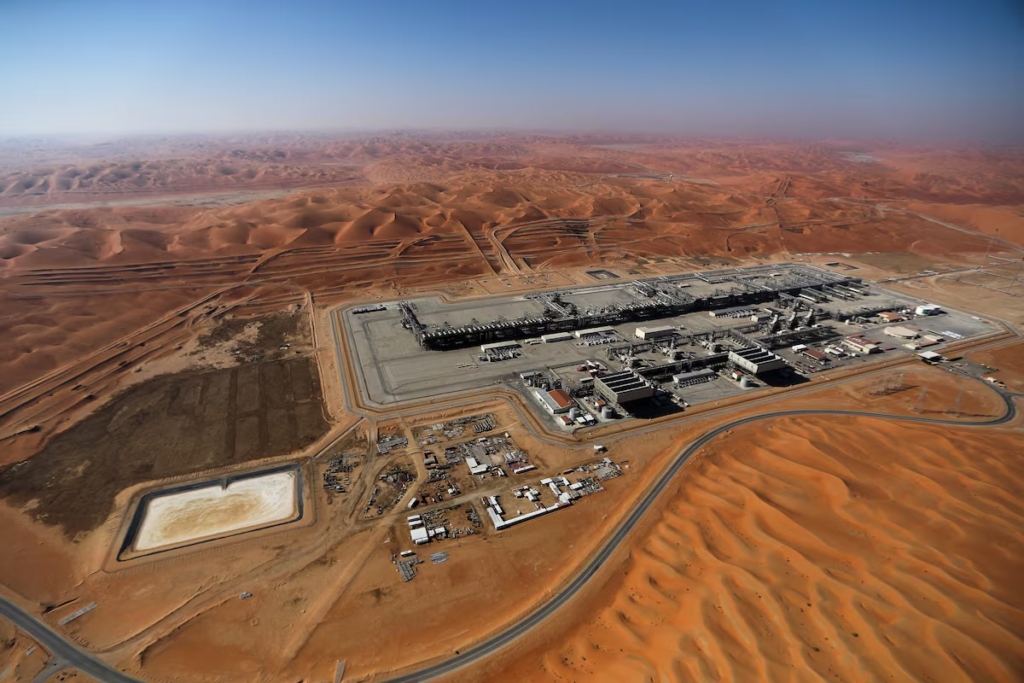
RoydadNaft – Saudi Arabia’s flagship Arab Light crude could see its January official selling price (OSP) dip by 30-40 cents per barrel, settling at a premium of 60-70 cents over the Oman/Dubai average, five Asia-based refining sources told Reuters on Friday. That would mark the lowest level since January 2021, capping two consecutive months of declines as spot premiums tumble amid abundant global supplies.
Other grades—Arab Extra Light, Arab Medium, and Arab Heavy—face steeper cuts of 30-50 cents per barrel from December levels, the sources added. The pricing formula, set by state giant Saudi Aramco around the fifth of each month, tracks the softening cash premium of Dubai crude to swaps, which has averaged 90 cents this month, down 32 cents from October.
The downward pressure stems from a flood of supply and softening demand forecasts. OPEC+—the cartel of oil producers including Russia and allies—has boosted output targets by nearly 3 million barrels per day (bpd) from April through December, contributing to a surplus outlook. Eight key members, fresh off gradual hikes in 2025, are expected to hold steady on pausing increases in the first quarter of 2026 at their policy meeting on Sunday, sources said.
Compounding the glut, Kuwait Petroleum Corp dumped an unexpected 3.9 million barrels of heavy crude onto the spot market this month after a fire at its Al-Zour refinery disrupted operations.
While the cuts could jolt term contracts, they may also ignite demand from China, where independent “teapot” refiners just received their first 2026 import quotas. “A cut in prices could spur term demand from China,” one survey respondent noted.
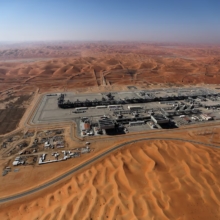
Saudi OSPs serve as a bellwether for regional pricing, influencing Iranian, Kuwaiti, and Iraqi benchmarks and steering roughly 9 million bpd of crude flows to Asia. Aramco bases its decisions on customer input and monthly shifts in oil yields and product values but, per policy, declines comment on specifics.