
Petrochemical Pardis and Pars Energy Zone Ink Deal for 30,000-Ton Urea Storage Boost and Direct Exports
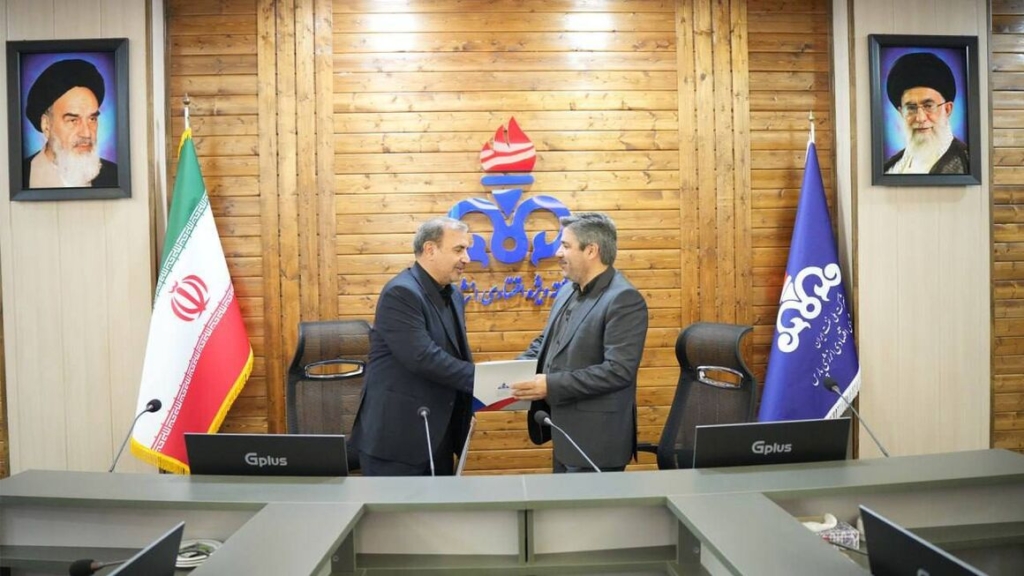
RoydadNaft – In a move to supercharge Iran’s urea export pipeline, Petrochemical Pardis Company and the Pars Special Economic Energy Zone Organization signed a memorandum of understanding on Tuesday, unlocking 30,000 tons of prime storage space at the Pars Service Port and handing over a dedicated dock for seamless, direct shipments.
The pact, inked by Sakhavat Asadi, CEO of the Pars zone, and Abdulrahim Ghanbarian, CEO of Pardis, targets a glaring bottleneck in the petrochemical giant’s logistics chain. Under the deal, a chunk of Pardis’s urea output will soon flow into Warehouse No. 1 at the port, slashing delays in loading and shipping. “This is more than paperwork—it’s a game-changer for getting our products to global markets faster,” Ghanbarian told reporters at the signing ceremony.
The initiative couldn’t come at a better time. As one of Iran’s top urea producers, Pardis has been grappling with surging demand for stable storage amid booming exports. The new capacity will decouple production schedules from transport headaches, paving the way for bulkier, more cost-effective cargoes. Ghanbarian highlighted the ripple effects: “We’re talking smarter inventory control and shipments that make economic sense on a global scale.”
Asadi echoed the optimism, framing the MOU as the launchpad for deeper ties. “This memorandum kicks off a lasting partnership,” he said. “We’re eyeing final talks in the next three months to seal a comprehensive, five-year contract.” He flagged the need for some infrastructure tweaks—think construction work—to get the warehouse humming at full tilt.
Pardis isn’t stopping there. The company is already ramping up in-house storage projects, but this port-side lifeline adds a “complementary edge” that’s hard to beat, Ghanbarian noted. With executive groundwork wrapping up, product transfers to the new facility are slated to kick off before year’s end, injecting fresh momentum into Iran’s petrochemical export drive.
The deal underscores a broader push in Iran’s energy sector to streamline supply chains amid volatile global fertilizer markets. For Pardis, it’s a strategic flex that could lock in competitive advantages as urea prices hover around $300 per ton worldwide. Asadi wrapped up the event with a nod to the bigger picture: “We’re building bridges—not just for today, but for sustainable growth tomorrow.”