
Iran’s Bushehr Province Demands End to Petrochemical Raw-Selling as 95% of Revenues Leave Local Banks
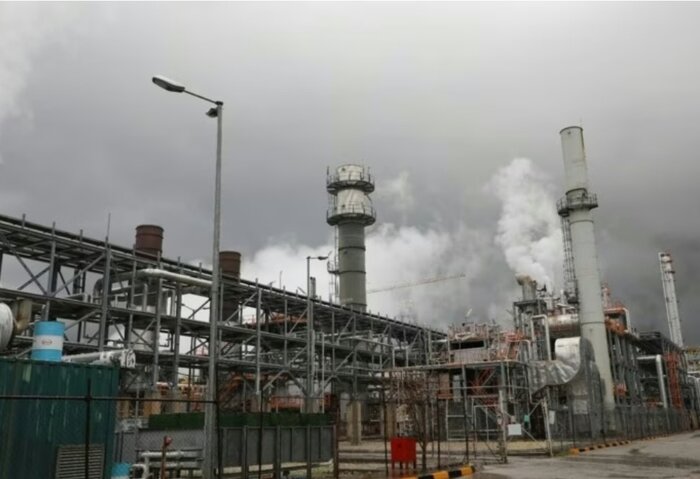
RoydadNaft – Iran’s Bushehr Province, host to the giant South Pars gas field and dozens of petrochemical complexes, is receiving virtually no economic benefit from its massive industry, the provincial industry chief warned on Tuesday, urging an immediate shift to downstream development and measures to keep financial resources inside Iran’s southern energy heartland.
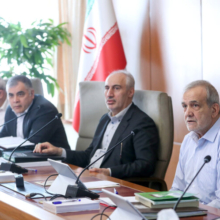
Nasrollah Keshavarz, Director-General of Bushehr’s Industry, Mining and Trade Organization, told a meeting in Dashti and Tangestan counties that Iran’s 28 upstream and limited downstream petrochemical plants in the province generate over 1,050 trillion rials (roughly $1.8 billion at the official rate) annually, yet less than 5% of that wealth is deposited in local banks.
“Because Iran’s petrochemical output in Bushehr is mostly raw-sold, the province gains no meaningful value-added,” Keshavarz said. “Almost all the money leaves Iran’s Bushehr banks immediately, starving local enterprises of financing.”
He calculated that retaining even 10% of those funds inside Iran’s Bushehr banking system would dramatically increase credit availability and resolve many financing problems for small and medium-sized industries across the province.
As evidence of the problem, Keshavarz pointed to a promised 1.2 trillion-rial facility from Bank of Industry and Mine that never materialized due to insufficient local deposits, underscoring how Iran’s national petrochemical earnings largely bypass the very province that produces them.
To reverse the trend, Bushehr will host a major investment conference on December 5 titled “Identifying Investment Opportunities in Iran’s Downstream Petrochemical Sector” aimed at attracting private Iranian and foreign investors to build conversion and manufacturing plants in the province.
Keshavarz also called for reform of Iran’s “direct transshipment” rules at Bushehr ports, which currently allow imported goods to bypass local customs and head straight to other provinces. He proposed that at least 30% of merchandise be required to clear and remain in Bushehr, with duty rates set at 5% in the province versus 10–15% elsewhere to create a competitive edge for Iran’s energy-rich south.
Despite being at the center of Iran’s hydrocarbon production, Bushehr continues to suffer from high unemployment and under-developed manufacturing. Provincial officials insist that only by forcing more value-added processing and financial retention inside Iran can Bushehr—and the country—finally capture the full economic potential of its vast oil and gas wealth.