
U.S. Clears Path for Talks on Sale of Lukoil’s Foreign Assets
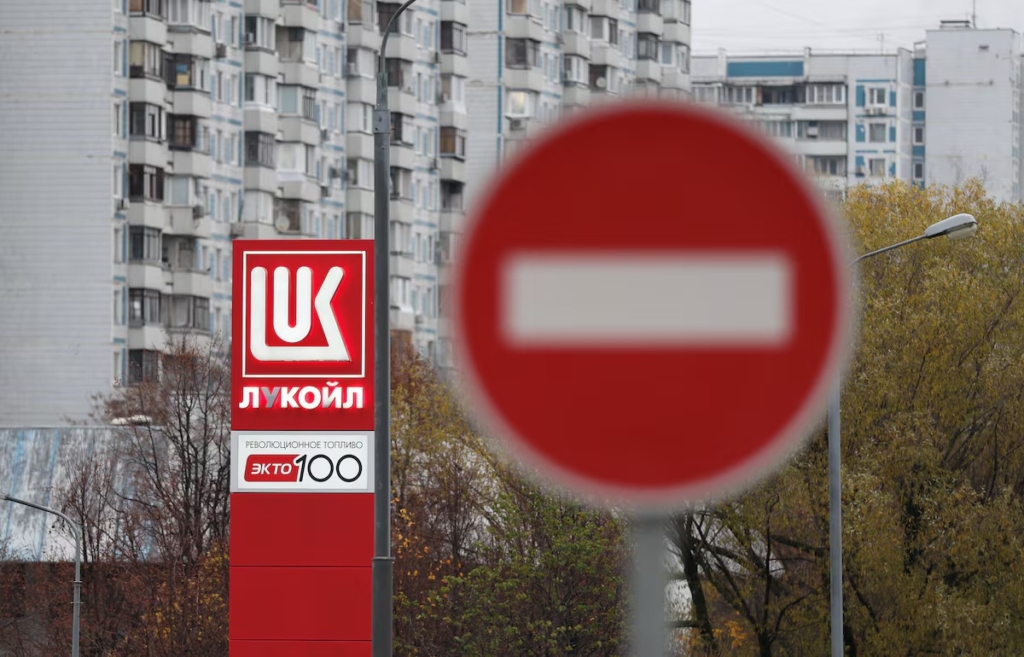
RoydadNaft – The Trump administration on Friday authorized potential buyers to negotiate with Russia’s Lukoil on acquiring its foreign assets and permitted business dealings with the company’s Burgas refinery after Bulgaria moved to seize the facility.
The U.S. last month sanctioned Russia’s two largest oil companies, Lukoil and Rosneft, for their role in financing Moscow’s nearly four-year war in Ukraine. Lukoil’s international operations, representing about 0.5% of global oil production, have faced increasing disruptions since the sanctions took effect.
The Treasury Department issued licenses, one of which allows companies to engage in talks with Lukoil through December 13 regarding the purchase of its foreign assets.
U.S. Will Only Approve Deals That Fully Sever Ties with Lukoil
The U.S. will authorize a sale only if it completely cuts ties with Lukoil and places proceeds in an escrow account inaccessible to the company while under sanctions.
Treasury also permitted transactions with Lukoil entities in Bulgaria through April 29, 2026.
Bulgaria’s Energy Ministry stated the U.S. action “is a direct result of the intensive actions, negotiations, and diplomatic talks we have been conducting since day one to ensure stability, predictability, and peace of mind for Bulgarian citizens and businesses.”
Britain’s Office of Financial Sanctions Implementation issued licenses for Lukoil Bulgaria EOOD and Lukoil Neftochim Burgas AD, which operates the country’s sole refinery in Burgas.
“These authorizations support the energy security of our partners and allies without benefiting the Russian government,” a Treasury spokesperson said.
Treasury further licensed transactions involving the Caspian Pipeline Consortium and Tengizchevroil projects, even if they include sanctioned oil companies.
The Caspian Pipeline Consortium transports over 1.6 million barrels per day of crude—1.5% of global supply—from Kazakhstan’s oil fields developed by U.S. and EU majors Chevron, Exxon Mobil, Eni, Shell, TotalEnergies, and Lukoil. The pipeline crosses Russian territory and could be shut down by Moscow in retaliation for Western sanctions.
Buyer Interest in Lukoil Assets
Reuters reported Thursday that U.S. private equity firm Carlyle is exploring options to acquire Lukoil’s foreign assets. One source said Carlyle planned to seek a U.S. license to purchase the assets before starting due diligence.
Analysts noted Carlyle is better positioned for U.S. approval than Swiss commodities trader Gunvor, which previously abandoned a deal with Lukoil after Treasury labeled the firm the Kremlin’s “puppet” in a social media post. Gunvor strongly rejected the characterization.
Carlyle declined to comment Friday.
Reuters reported Wednesday that other global firms are considering bids for parts of Lukoil’s portfolio, including Kazakhstan’s state-owned KazMunayGas and European oil major Shell.
Lukoil owns three refineries in Europe and stakes in oil fields in Kazakhstan, Uzbekistan, Iraq, Mexico, Ghana, Egypt, and Nigeria. It also operates hundreds of retail fuel stations worldwide, including in the United States.
Lukoil’s international assets are valued at approximately $22 billion, per 2024 filings.
Jeremy Paner, a partner at Hughes and Hubbard law firm and former Treasury official, said the negotiation license permits binding memorandums of understanding and other agreements, but actual asset acquisition requires a separate, specific Treasury license.