
India’s ONGC Eyes Strong Output Growth Next Year
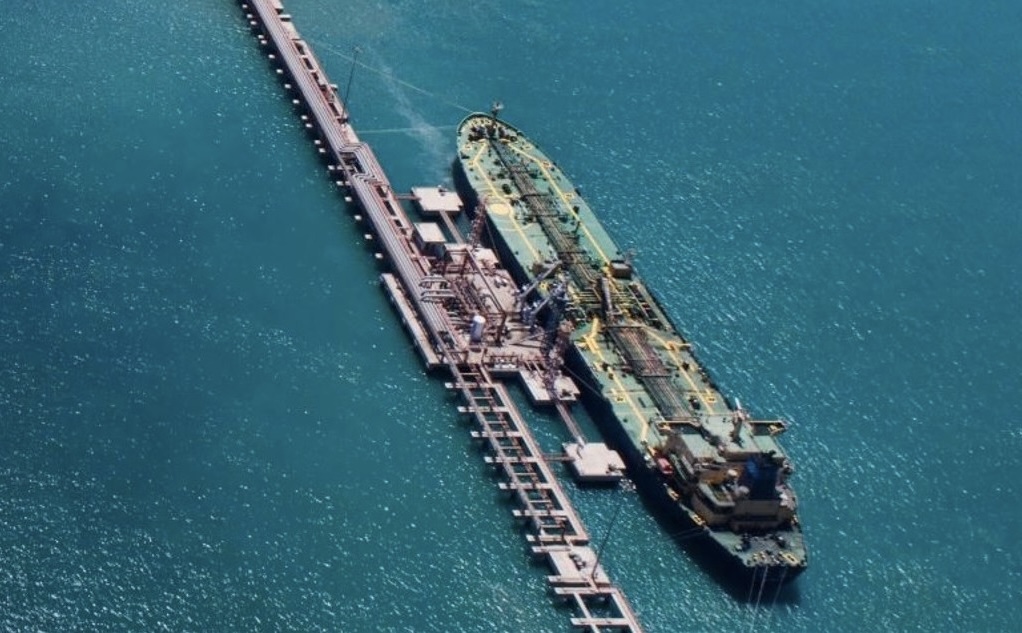
RoydadNaft – India’s state-run Oil and Natural Gas Corporation (ONGC) expects to produce 21 million metric tonnes (MMT) of crude oil and 21.5 billion cubic meters (BCM) of natural gas in the next fiscal year (FY2026-27), up from 19.8 MMT of oil and 20 BCM of gas projected for the current fiscal, company executives told investors on Tuesday.
Ajay Kumar Singh, Executive Director and Chief of Corporate Planning, said the production growth will come from key upstream projects and ongoing recovery efforts at mature fields. ONGC’s Mumbai High field, its largest offshore asset, has already shown an uptick in oil and gas output, according to Director of Finance Vivek Tangaonkar. “We expect a positive story emerging from Mumbai High this year itself,” he said, adding that British energy major BP-engaged earlier this year as technical services provider-has helped stabilize decline and restore growth.
The Daman Upside gas project is reportedly “running ahead of schedule,” with initial output expected in the final quarter of the current fiscal. Meanwhile, on India’s eastern coast, deferred production from the KG-DWN-98/2 block in the Krishna-Godavari Basin is now slated to begin in the first quarter of FY2026-27. ONGC will complete the installation of living quarters by early next year, enabling ramp-up of offshore operations.
In overseas operations, ONGC Videsh Ltd (OVL) confirmed that partners have agreed to lift the force majeure on the long-delayed Mozambique LNG project, halted since April 2021 following militant attacks in Cabo Delgado. A formal ballot to lift the force majeure is expected imminently, paving the way for construction to resume. The project, operated by TotalEnergies (26.5% stake), counts ONGC Videsh and Bharat PetroResources among its major partners, each holding 10%.
The combined push across domestic and international assets marks ONGC’s most comprehensive production expansion effort in years. The company aims to consolidate output growth through 2030, supported by new technology deployment, upstream project acceleration, and stabilization of key offshore fields.