
Tehran Refinery Commits $3.5 Billion to Upgrade All Products to Euro 5 Standards
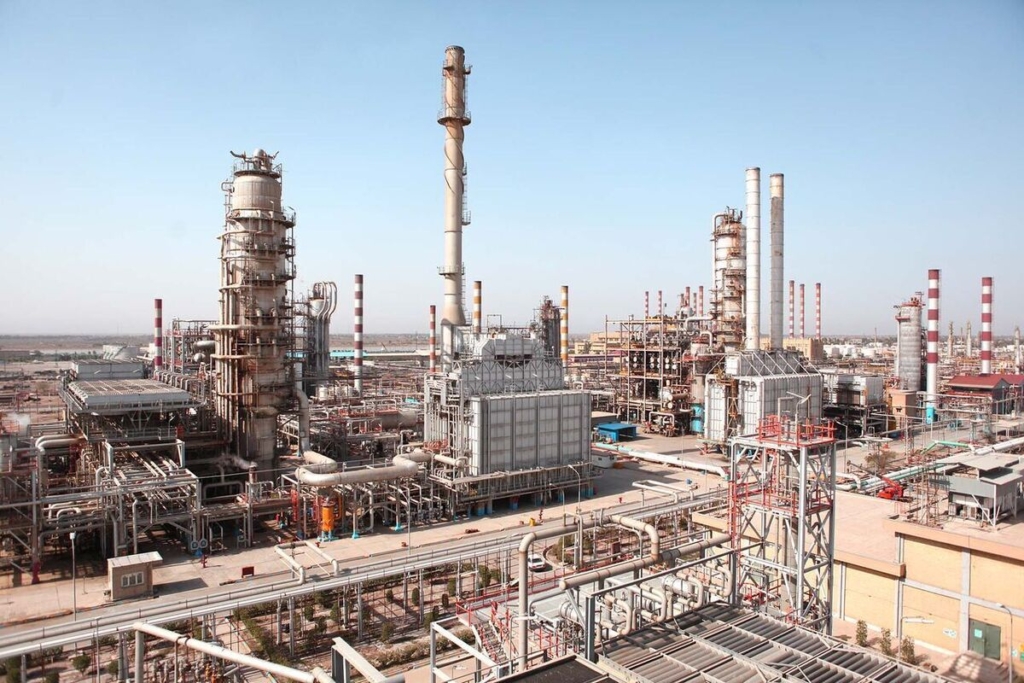
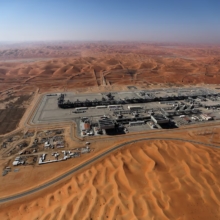
RoydadNaft – Iran’s Tehran Oil Refinery, one of the country’s oldest and largest facilities, is investing $3.5 billion to modernize operations and produce all fuels—including gasoline, diesel, and jet fuel—in line with stringent Euro 5 environmental standards, its refining engineering chief said.
Mohsen Siyahpush, head of refining engineering, told Iran Petroleum magazine the overhaul will add 2 million liters of daily Euro 5 gasoline capacity by 2026 and transform the refinery into a full-fledged petro-refinery complex. “This project will play a decisive role in Iran’s energy future,” he said.
Boosting Gasoline Output
The centerpiece is a Continuous Catalytic Reforming (CCR) unit, set for completion in 2026, which will lift gasoline quality to Euro 5 levels and increase output by 1.5 million liters per day. A new light/heavy naphtha separation unit will add another 500,000 liters daily by enhancing octane ratings and yields in isomerization and catalytic reforming processes.
Siyahpush also announced the near-completion of a 2,000-barrel-per-day hexane solvent plant, due online by late 2025. Hexane, used in chemicals, paints, pharmaceuticals, rubber, and adhesives, will diversify high-value output.
Diesel and Jet Fuel Enhancements
Tehran Refinery’s diesel has met Euro 5 standards for years, while its jet fuel ranks among Iran’s highest quality. To address cold-weather performance, the refinery signed a May 2025 deal for Cold Filter Plugging Point (CFPP) additives.
“Paraffin crystallization in diesel clogs filters in sub-zero temperatures,” Siyahpush explained. Current CFPP levels (0 to -6°C) fall short of winter specs (-12°C max), but the additive will ensure smooth diesel engine operation, supporting localization efforts amid sanctions.
$3.5 Billion Bottom-of-Barrel Upgrade
The flagship project—residue upgrading and fuel oil value enhancement—requires $3.5 billion and promises strong returns. It will produce governance-mandated fuels plus high-value propylene and low-sulfur marine fuel.
Basic studies are complete, with feasibility and economic analyses done for Phase 1 (fuel oil hydrotreating and offsites). The refinery is now securing technology and contracts, partnering with the Petroleum Industry Research Institute for domestic innovations like solvent deasphalting.
Petro-Refinery Expansion
Holding a 51.32% stake in Shazand Petrochemical, Tehran Refinery already operates as a hybrid petro-refinery, supplying feedstock to boost value-added products and curb raw material exports.
With 250,000 barrels per day capacity—14% of Iran’s total refining—the facility produces 7 million liters of gasoline and 14 million liters of diesel daily, powering central, northern, and northeastern regions.
The upgrades position Tehran as an advanced, profitable petro-refinery with a complete value chain, leveraging domestic tech and innovation.