
EU’s new sanctions on Russia to affect oil refinery in India’s Gujarat
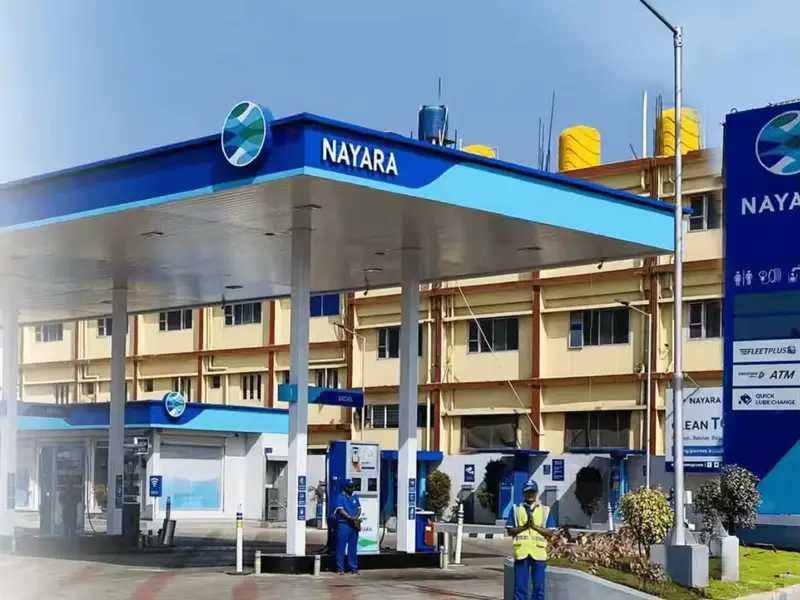
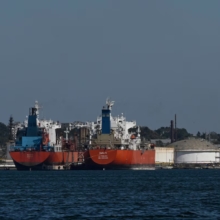
RoydadNaft – The European Union has imposed sanctions on India’s Nayara Energy’s Vadinar refinery in Gujarat, as part of its 18th sanctions package targeting Russia’s energy sector. The move aims to curb Russia’s war budget but has sparked India’s criticism of the EU’s energy trade standards.
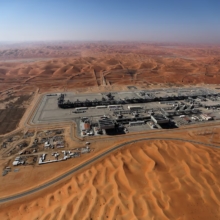
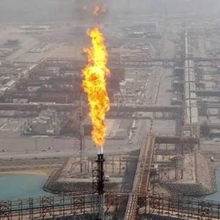
Nayara Energy’s refinery in Vadinar, Gujarat is India’s second largest. It produces 4,00,000 barrels per day and operates more than 6,300 petrol pumps across India. The company has reportedly been in talks with Reliance Industries Ltd. for a stake sale.
The European Union has also sanctioned a Gujarat-based refinery owned by Nayara Energy Ltd. as part of fresh sanctions targeting Russia’s energy sector. The sanctions were announced on Friday just as the US Congress debates tightening sanctions on purchasers of Russian crude oil, with India, China, and Brazil being named by US lawmakers as countries that could face penalties. “For the first time, we’re designating a flag registry and the biggest Rosneft refinery in India,” said Kaja Kallas, the EU High Representative for Foreign Affairs and Security Policy and Vice-President of the European Commission, in a post on X, as she listed highlights of the 18th sanctions package.
Rosneft, a publicly listed Russian oil and gas company, has a 49.13% stake in Nayara Energy’s refinery (formerly Essar Oil Ltd.), based in Vadinar, Gujarat. The remainder is owned by SPV Kesani Enterprises Co. Ltd., and individual investors. The refinery is India’s second largest, produces 4,00,000 barrels per day, and operates more than 6,300 petrol pumps across India. The company has reportedly been in talks with Reliance Industries Ltd. for a stake sale.
EU sanctions mean Nayara cannot export fuel such as petrol and diesel to European countries.
‘Full-fledged sanctions’ (travel bans, asset freezes, ban on providing resources) will apply to the refinery, as per a statement from the EU.
“Each sanction weakens Russia’s ability to wage war. The message is clear: Europe will not back down in its support for Ukraine,” Kallas said in a statement. “The EU just approved one of its strongest sanctions package against Russia to date. We’re cutting the Kremlin’s war budget further,” Kallas ad.
The new EU sanctions also include a lowering of the oil price cap, i.e., the maximum price countries can pay for Russian oil while using shipping and insurance from the advanced economies of the G7 group of countries, from $60 per barrel to $47.6 per barrel.
‘There should be no double standards,’ says India on EU sanctions
India on Friday hit back at the European Union over its sanctions on the Indian oil refinery of Russian energy giant Rosneft, stressing that there should be “no double standards” when it comes to energy trade. The Ministry of External Affairs (MEA) said India does not subscribe to any unilateral sanction measures.
“We have noted the latest sanctions announced by the European Union. India does not subscribe to any unilateral sanction measures. We are a responsible actor and remain fully committed to our legal obligations. The Government of India considers the provision of energy security a responsibility of paramount importance to meet the basic needs of its citizens. We would stress that there should be no double standards, especially when it comes to energy trade,” said MEA Spokesperson, Randhir Jaiswal.
The lowered oil price cap means Russia will be forced to sell its crude at reduced rates to buyers like India. As the second-largest purchaser of Russian oil, India stands to benefit from this move. Russian crude currently accounts for nearly 40 per cent of India’s total oil imports.