
$10b investment transforms oil industry: Oil minister
RoydadNaft – The oil minister announced increased oil and gas production capacity, plans for $10 billion in projects by the end of the current Iranian year 1404 (March 2026), and new measures by the Oil Ministry to facilitate contracts, attract investment, and support new technology-based firms (NTBFs).
Mohsen Paknejad stated that oil exports continue at their highest possible level despite intensified sanctions, adding, “This is only the beginning of our path.”
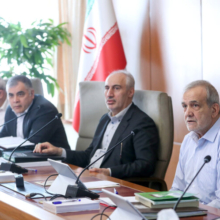
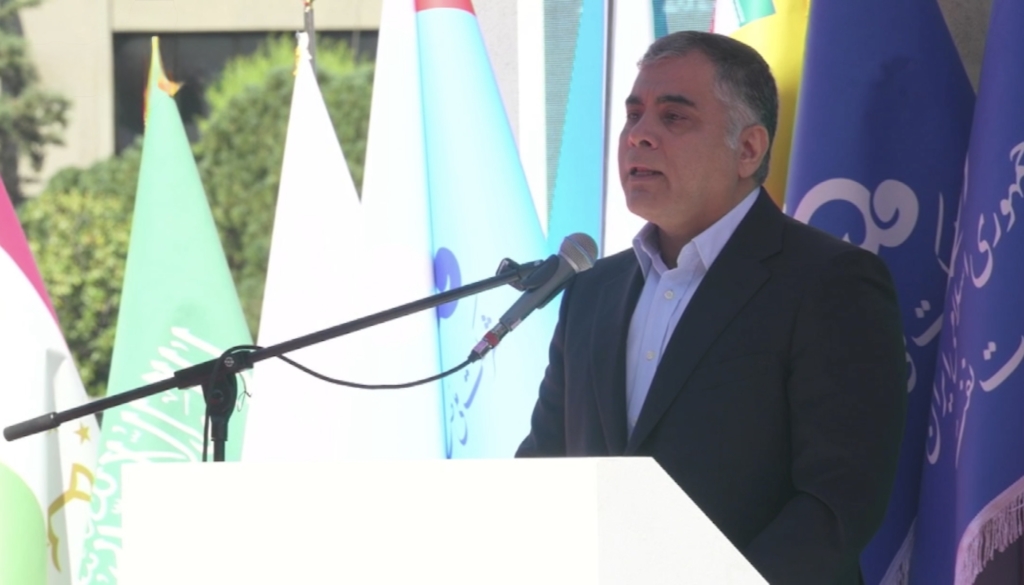
Paknejad spoke Thursday at the opening ceremony of the 29th International Oil, Gas, Refining & Petrochemical Exhibition (Iran Oil Show 2025), thanking leaders of the three branches of government, cabinet members, lawmakers, ambassadors, and international guests. He said, “Today, we have a historic opportunity at this global gathering to showcase Iran’s oil industry capabilities. This exhibition is not just a trade event but a symbol of Iran’s national resolve to become an energy hub and a center for regional cooperation.”
Referring to this year’s exhibition theme, “Oil Industry Investment: A Guarantee for Economic Growth and Development,” Paknejad said it aligns with the Leader’s directives for the new year. He added, “This slogan reflects the Oil Ministry’s priorities and approach for the current year.”
Bridging experience, innovation in oil industry with startups and major firms
The minister highlighted the exhibition’s broad scope, covering over 37 specialized areas from upstream to downstream oil and gas, as well as investment, financing, trade, and new technologies.
He noted that the presence of startups, innovative firms, leading universities, and tech parks alongside major industrial companies demonstrates the integration of experience and innovation in advancing the oil sector.
Paknejad said the main goal of this year’s exhibition is to strengthen investment through specific operational projects, stating, “We believe the oil industry must be redefined based on modern knowledge and advanced technology. In this path, supporting domestic production and empowering Iranian experts is a top priority.”
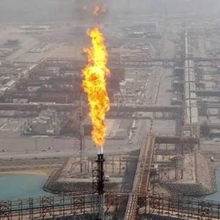
He outlined the Oil Ministry’s efforts over the past nine months, emphasizing serious operational steps toward the 7th Development Plan’s goals. Several key contracts for oil and gas field development and maintenance have been finalized, and multiple projects—including flare gas recovery and refinery quality improvement—have been completed or are ready for operation.
Plans to complete 30 major oil projects with $10b investment
Paknejad reported that oil production capacity has increased by 150,000 barrels per day under the current administration, while crude gas production rose by 30 million cubic meters per day. Refining capacity grew by 180,000 barrels per day, and petrochemical production capacity increased by 7 million metric tons annually. Gasoline and diesel production rose by 7 million and 8 million liters per day, respectively, while oil exports continue at peak levels despite sanctions.
He announced plans to complete over 30 major oil industry projects with nearly $10 billion in investment by March 2026, which would boost daily oil production by 250,000 barrels and crude gas output by 30 million cubic meters per day.
Reducing contract timeframes, involving energy-intensive industries in gas field development
The minister praised a recent cabinet approval allowing energy-intensive and petrochemical industries to participate in gas field development, calling it a positive step. He said, “Under the 7th Development Plan, investment pathways for these sectors must be smoothed to reduce gas imbalances. God willing, the first contract in this field will be signed at this exhibition.”
Paknejad emphasized streamlining contract processes as a top priority, noting that lengthy approval times (previously 3-4 years) had deterred investment. Thanks to new measures, upstream oil and gas contract approvals now take less than a year.
Enhancing oil, gas contract appeal with new incentives
He cited recent Economic Council measures to make upstream contracts more attractive, including higher internal rates of return, tax incentives, and bonuses for exceeding production targets.
The Oil Ministry has introduced new incentives and contractual frameworks to reduce risk, increase transparency, and accelerate investment returns.
Supporting domestic production, first-time manufacturing
Paknejad stressed the importance of supporting domestic production and first-time manufacturing, noting 86 contracts worth $200 million with 68 NTBFs. These deals have saved foreign currency and boosted self-sufficiency in refinery equipment. At this year’s exhibition, 16 first-time production projects worth $150 million will be signed with NTBFs.