
Brent Crude Price Rises to $76.11
RoydadNaft – Oil prices climbed on Tuesday following a report indicating that Russian oil production was below its allocated quota, raising concerns about further supply disruptions. However, worries grew that escalating trade tariffs could slow global economic growth.
Brent crude futures rose by 24 cents, or 0.32%, to $76.11 per barrel, while WTI crude increased by 19 cents, or 0.26%, to $72.51 per barrel. Both benchmarks had gained nearly 2% in the previous session after three consecutive weeks of losses.
Analysts at ANZ noted in a research report that the rebound was driven by signs of tightening supply.
They wrote: “Russia’s oil production in January was below its OPEC quota, easing concerns about oversupply. Production fell to 8.962 million barrels per day, 16,000 barrels per day below its approved level under the production agreement.â€
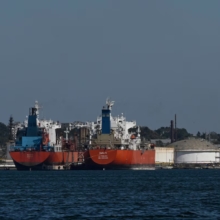
Analysts also pointed out that concerns over further disruptions grew after Politico reported on Monday that European countries plan to seize Russia’s shadow fleet.
Russian oil shipments to China and India—the world’s major crude importers—have been significantly disrupted due to U.S. sanctions last month targeting tankers, producers, and insurance companies.
U.S. sanctions on Iranian oil shipping networks to China have further fueled supply concerns after Donald Trump reinstated his “maximum pressure†campaign on Iran’s oil exports last week.
However, countering the price surge was Trump’s latest tariff move, which could dampen global growth and energy demand.
On Monday, Trump increased steel and aluminum import tariffs to the U.S. by 25% “without exceptions or exemptions†to support industries that could heighten the risk of a multilateral trade war.
These tariffs will affect millions of tons of steel and aluminum imports from Canada, Brazil, Mexico, South Korea, and other countries.
Last week, Trump also imposed an additional 10% tariff on China, prompting Beijing to retaliate by imposing its own tariffs on some U.S. imports, including a 10% tariff on crude oil.
According to a Reuters poll of economists, most of whom previously expected a rate cut in March, the Federal Reserve is now likely to wait until the next quarter before cutting rates again, considering crude oil demand.
The Fed faces the risk of rising inflation under Trump’s policies, and keeping rates higher could limit economic growth, affecting oil demand growth.
A preliminary Reuters survey on Monday suggested that U.S. crude oil and gasoline inventories likely increased last week, while distillate stockpiles probably declined.
This survey was conducted ahead of the American Petroleum Institute’s (API) weekly industry report, set to be released at 4:30 p.m. ET (2130 GMT) on Tuesday, followed by the Energy Information Administration (EIA) report on Wednesday.