
Indian refiners shift crude strategy amid fears of Russian oil supply shocks

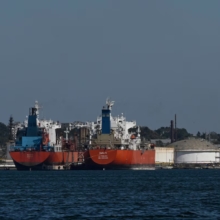
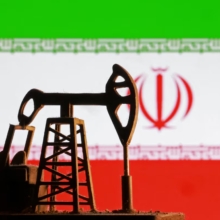
RoydadNaft – Indian and Chinese oil refiners are adjusting their crude oil procurement strategies due to concerns over the availability and pricing of Russian and Iranian supplies, as well as potential new sanctions affecting transportation. This shift has led to increased purchases from the Middle East and the Atlantic Basin.
Recently, two Indian state refiners acquired up to 6 million barrels of Oman and Abu Dhabi’s Murban crude for prompt loading in February, addressing a shortfall of Russian spot cargoes. Additionally, Indian Oil Corporation procured 2 million barrels of WTI Midland crude through a tender.
In China, both state-owned and private refiners have boosted imports of Angolan crude, with some processors securing prompt supplies of Abu Dhabi oil. This trend is driven by reduced availability and higher prices of Russian Urals, ESPO, and Iranian Light crude, alongside fears of increased sanctions on tankers transporting these cargoes.
The global crude market has been experiencing upward price movements, influenced by tightening U.S. sanctions on Tehran and Moscow. The outgoing U.S. administration has indicated intentions to further restrict Iranian oil flows, while current officials have expanded sanctions on tankers and pledged a tougher stance on Russia.
In response, Middle Eastern crude grades have become more attractive due to their quality, proximity, and availability. Companies like TotalEnergies SE have become convenient sources for prompt supplies of grades such as Upper Zakum and Oman. The prompt timespreads for Dubai swaps, representing the region’s oil market, have slightly outpaced those for London’s Brent swaps over the past month.
In December, Iran and Russia accounted for about a quarter of China’s crude imports, while Russia supplied nearly a third of India’s total crude purchases.