
Oil pauses gains after surging on Libyan outages, Middle East tension
RoydadNaft – Oil prices paused recent advances to trade in a range on Tuesday, after a surge of more than 7% in the previous three sessions, on supply concerns prompted by fears of a wider Middle East conflict and the potential shutdown of Libyan oil fields.
Brent crude futures was up 3 cents at $81.46 a barrel by 0630 GMT, while U.S. West Texas Intermediate crude futures dropped 6 cents to $77.36 a barrel.
“Losses in oil prices may seem contained in today’s session, which suggest prices taking a breather following a sharp rally over the past few days,” said Yeap Jun Rong, market strategist at IG.
“With the jump in oil prices pricing for geopolitical risks in the Middle East and a production halt in Libya, market participants are now in some wait-and-see to assess further developments.”
Over that period, WTI gained 7.6% and Brent gained 7%.
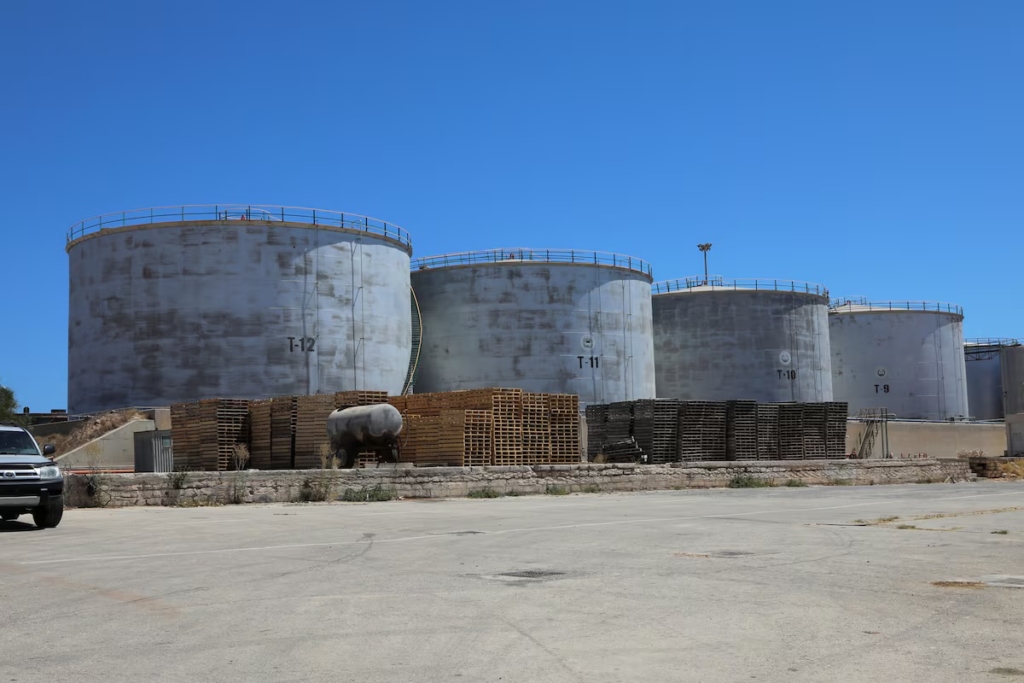
Oilfields in eastern Libya responsible for almost all its production will be closed and production and exports halted, the eastern-based administration said on Monday, after a flare-up in tension over the leadership of the central bank.
There was no confirmation from the internationally recognised government in Tripoli or from the National Oil Corp (NOC), which controls the country’s oil resources.
The political dispute could affect almost all of the 1.17 million barrels per day of output from the North African country, based on data from the latest Reuters survey of production by the Organization of Petroleum Exporting Countries in July.
While bearish demand sentiment could weigh on oil prices, with Chinese demand having an outsized impact, the potential closure of Libya’s oil fields would tighten supply and brake declining oil prices, said Vortexa analyst Serena Huang.
“Other oil producers would be rejoicing at the higher oil prices, and may not necessarily bring in additional supply immediately.”
“Markets remain on edge as skirmishes between Israel and Hezbollah intensify,” ANZ analysts said in a note.
A top U.S. general said on Monday the danger of a broader war had eased somewhat but that an Iran strike on Israel remained a risk.